

Why Incline Village Homeowners Should Upgrade from Wood Shingle Roofs
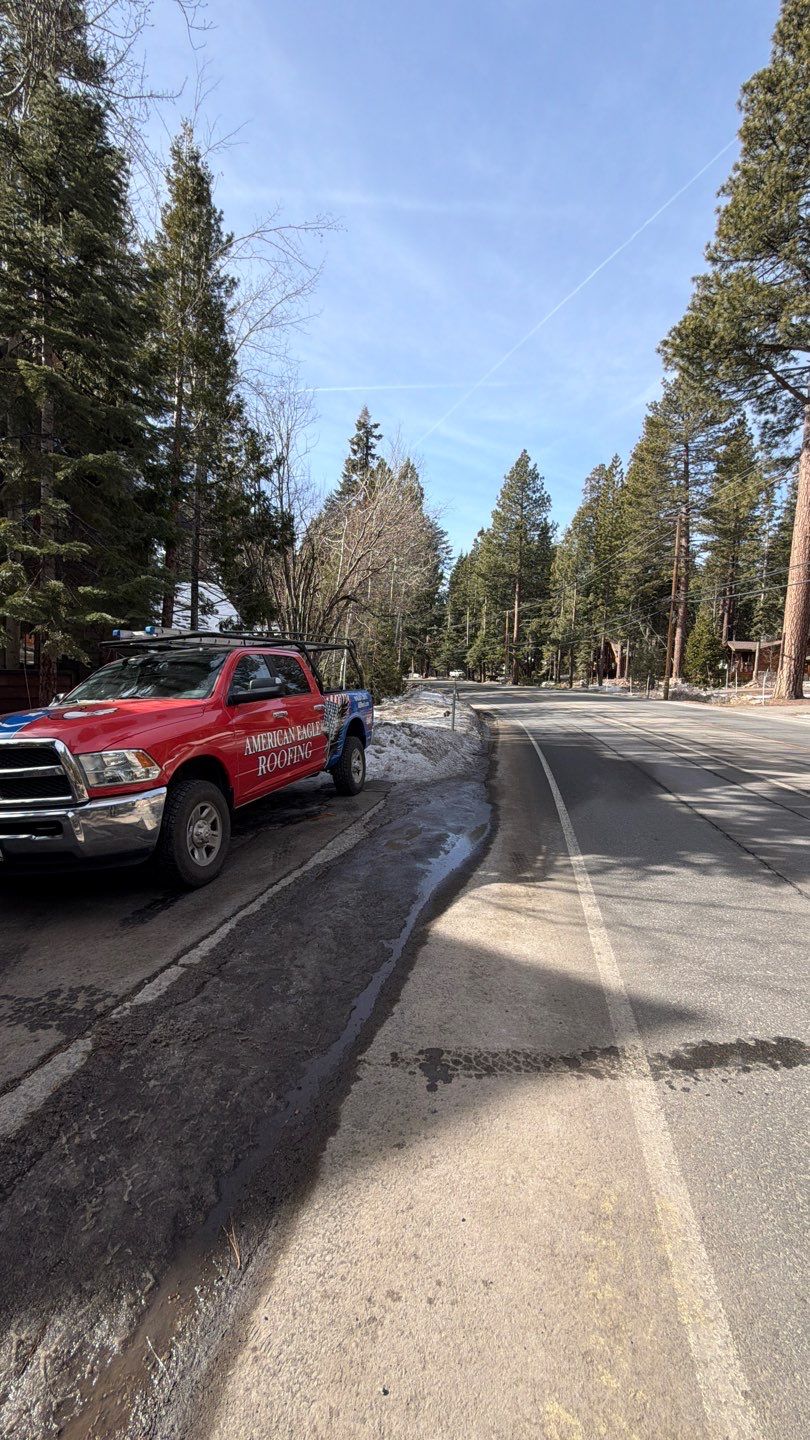
Incline Village, Nevada is nestled against dense forest and rugged mountain terrain, creating spectacular views — and a very real wildfire risk. According to a wildfire hazard assessment for the broader Incline Village area, homes with combustible roofing materials like wood shake or shingles are especially vulnerable when wildfires occur, due to close spacing of homes, heavy vegetation fuel, and embers that can travel long distances and ignite structures quickly.
If you currently have a wood shingle roof, understanding the risks and benefits of upgrading to fire‑resistant roofing is critical for protecting your property, maintaining insurance coverage, and improving long‑term durability.
The Wildfire Threat in High‑Risk Areas
Incline Village’s position at the wildland‑urban interface means that homes are often surrounded by forest fuels such as pine, fir, and underbrush. In these environments, embers are the leading cause of home ignition during wildfires, rather than direct flame contact. Home hardening experts emphasize that a home’s roof is one of the most vulnerable parts because its large surface area readily catches wind‑borne embers.
Even if your home itself hasn’t been threatened yet, wildfire conditions in the Sierra Nevada region continue to intensify with hotter, drier weather, making ember protection increasingly important for homes built with older, combustible roofing materials.
What Fire‑Resistant Roofing Really Means
Roof coverings are tested and categorized by fire performance under standards such as UL 790 or ASTM E108. These ratings range from Class C (lower resistance) up to Class A — the highest fire resistance available. Wood shingles, unless specially treated and tested, are generally considered unrated or low‑rated and far more likely to ignite in an ember storm.
By contrast, Class A roofing materials — including asphalt fiberglass composition shingles, metal roofing, clay or concrete tiles, and slate — are designed to withstand severe exposure to fire and keep embers from penetrating the roof surface.
Upgrading to a Class A roof isn’t just about choosing a “better shingle.” It’s about creating a roof assembly that’s tested and proven to resist ignition and protect the structure beneath it.
How Wood Shingles Fall Short
Wood shingles and shakes were once popular in mountain communities for their rustic look. However, they present multiple problems in wildfire‑prone zones:
- Combustibility: Untreated wood ignites easily when exposed to embers, even without direct flame contact.
- Age and weathering: Over time, moisture, sun, and cold cycles cause wood to crack, split, and decay, increasing vulnerability.
- Code and insurance concerns: Many modern building codes and insurer guidelines increasingly favor or require fire‑resistant materials in fire hazard areas.
Home hardening resources stress that replacing wood roofs with fire‑resistant alternatives is one of the most effective steps to reduce a home’s wildfire vulnerability.
Insurance Realities in Incline Village
Nevada’s property insurance environment is changing, particularly for homes in wildfire exposure zones. Recent legislative changes allow insurers to exclude wildfire coverage from standard homeowner policies, forcing homeowners to purchase separate wildfire protection or face gaps in coverage. This has raised concerns across high‑risk areas like Incline Village, where wildfire exposure is part of everyday planning.
Upgrading to a fire‑resistant roof can make it easier to secure insurance and may even stabilize premiums, because insurers evaluate roofing materials when underwriting policies. While roofing alone isn’t a silver bullet, a Class A roof signals to insurers that a home has taken proactive steps to mitigate wildfire risk — often viewed more favorably than homes with combustible wood roofing.
Other Benefits Beyond Fire Protection
Upgrading your roof isn’t just about wildfire safety. Modern roofing materials can:
- Last significantly longer than untreated wood shingles, which often deteriorate in extreme weather.
- Require less maintenance, because they resist rot, insect damage, and water infiltration.
- Help shed snow and ice more effectively in Incline Village’s alpine climate, reducing ice dam issues.
The Building America Solution Center highlights that simple roof designs with fewer valleys and overhangs also minimize areas where debris and embers can accumulate, further improving fire performance.
Choosing the Right Roofing Material
Not all Class A roofing products are equal in every situation, and the best choice often depends on your budget, architectural style, and long‑term goals:
- Asphalt fiberglass shingles are cost‑effective and widely used for fire resistance.
- Metal roofing is non‑combustible and can withstand years of harsh weather.
- Clay or concrete tiles offer superior fire protection and longevity, though they are heavier and often more expensive.
- Slate is one of the most fire‑resistant and durable materials, but also among the most costly.
When considering a replacement, it’s important to look beyond initial cost and consider lifetime performance, fire resistance, and home resale appeal.
Steps Toward a Safer Home
Upgrading your roof should be part of a broader home hardening strategy that includes:
- Cleaning gutters and removing debris from valleys and roof edges.
- Covering vents with ember‑resistant mesh to prevent entry points for embers.
- Creating defensible space by clearing vegetation and combustible materials from around your home.
Taken together, these measures can significantly reduce your home’s wildfire vulnerability and make it more attractive to insurers and buyers alike.
Conclusion
For homeowners in Incline Village, Nevada, the decision to upgrade from wood shingle roofing is no longer just aesthetic — it’s a critical safety and financial choice. With wildfire risk on the rise, evolving insurance landscapes, and proven fire performance benefits of modern roofing materials, transitioning to a Class A fire‑resistant roof is one of the most impactful investments you can make in protecting your home and peace of mind.
If your roof is aging, made of combustible wood, or causing concern with insurers, now is the time to explore fire‑resistant alternatives that align with best practices and help safeguard your property for decades to come.
Related Blog Posts
.jpg)
.png)
.jpg)
Let Our Family Help Yours™
We'll show you why our roofing is the best decision for all your roofing needs — we can even come out to your home with our mobile showroom. Tell us about your current roofing project, and we'll be in touch shortly.

Promotions
Explore current promotions to help you save on roof repairs and replacement services
Financing
Explore available financing and payment options for your roof repair or replacement.
Reviews
We're trusted by 1000s of homeowners, take a look at some of our recent homeowner reviews.
Roofing Projects
Take a look at some of our recent roofing projects throughout the various cities that we service.