

Best Roofing Materials for Fire Protection in Northern California
.png)
In Northern California, your roofing material isn’t just about appearance or lifespan, it plays a direct role in how well your home can withstand wildfire exposure. Embers, radiant heat, and debris buildup are the primary causes of home ignition, and your roof is often the first place those threats land.
If you’re comparing options or searching for roof replacement services, understanding how different roofing materials actually perform in fire conditions, not just how they’re marketed, can help you make a more informed decision.
Why Fire Rating Alone Isn’t the Full Picture
Most homeowners are told to look for a Class A fire rating, which is the highest level of fire resistance. While that’s important, it doesn’t tell the whole story.
A Class A rating can apply to multiple materials, but how those materials perform over time depends heavily on installation quality, maintenance, and how well the entire roofing system is sealed. Gaps at the roofline, poor flashing, or exposed vents can still allow embers to enter, even with top-rated materials.
That’s why experienced roofing contractors focus on both the material and how it’s installed as a complete system, not just the rating on paper.
Composition Shingles: The Most Practical Fire-Resistant Option
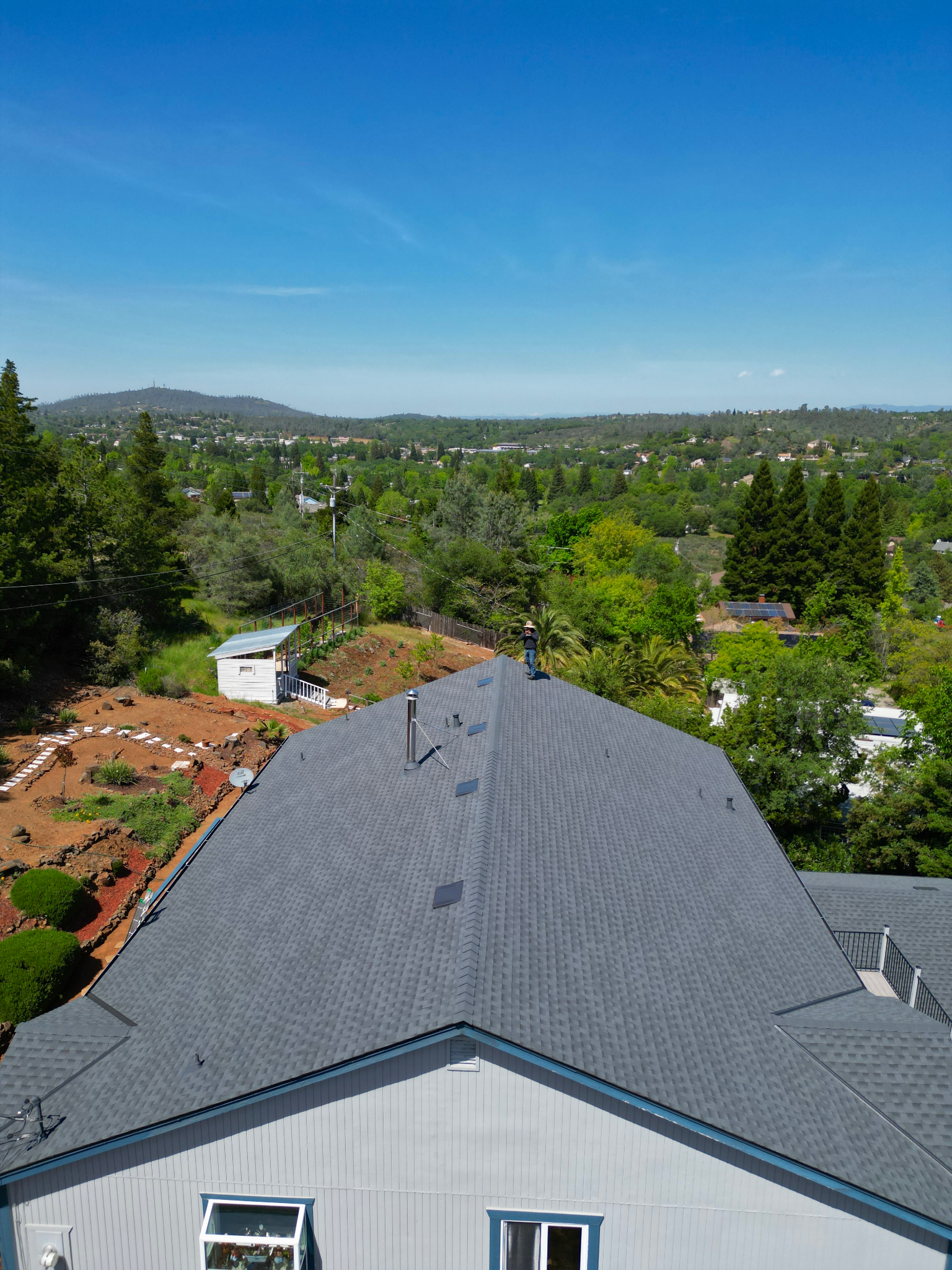
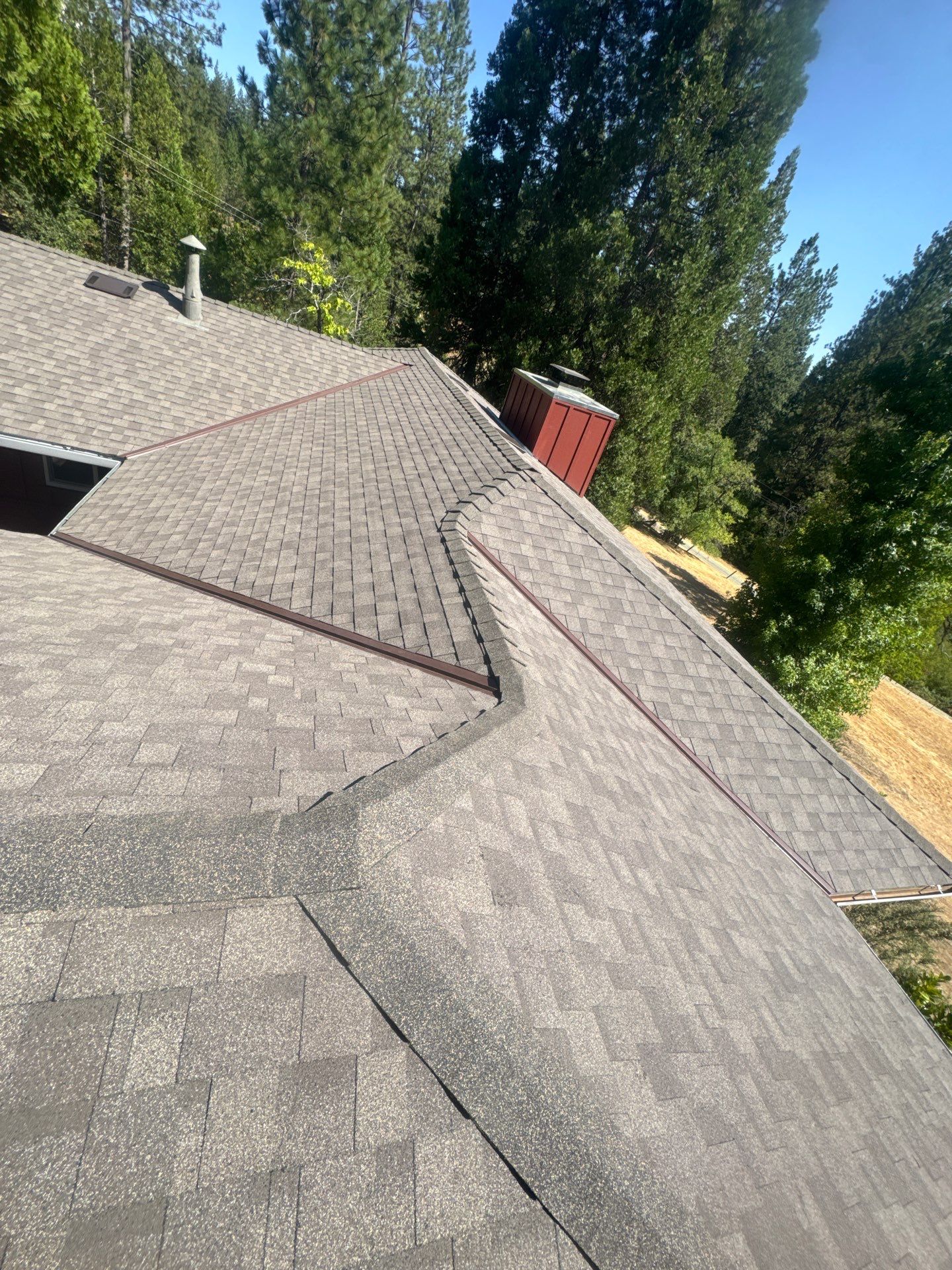
For most homes in Placer and Amador County, composition (asphalt) shingles are the most common and practical choice for fire protection. Modern architectural shingles are typically Class A rated and designed to resist ignition from airborne embers.
One of the biggest advantages of composition roofing is consistency. When installed properly, it creates a continuous, sealed surface with fewer entry points for embers compared to more complex systems. It’s also easier to repair and maintain over time, which matters in areas where seasonal debris and heat can accelerate wear.
Products like upgraded architectural shingles, often used in home roofing services, provide a balance of durability, fire resistance, and cost-effectiveness without introducing unnecessary complexity.
Metal Roofing: Strong Performance with the Right Details
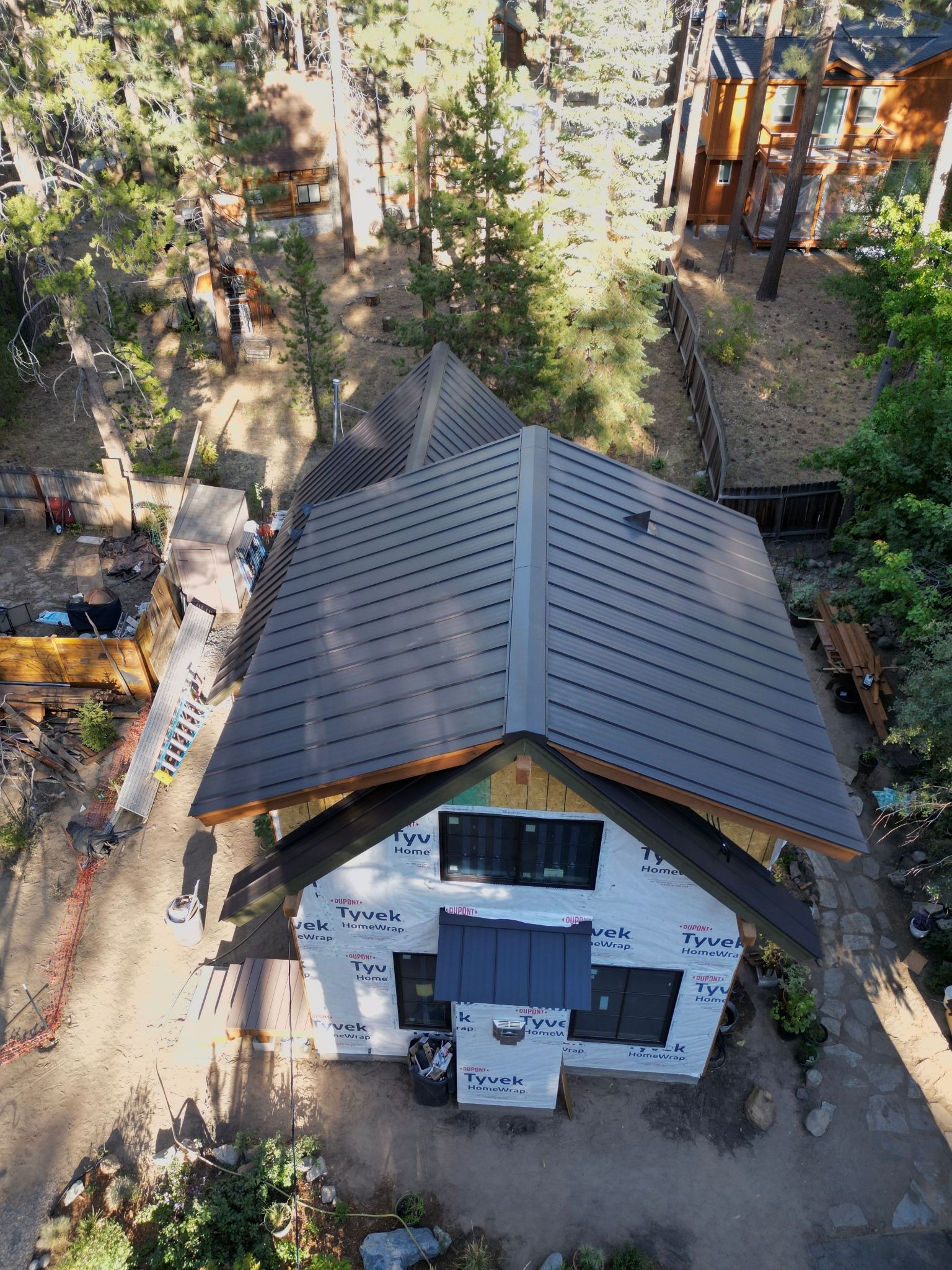
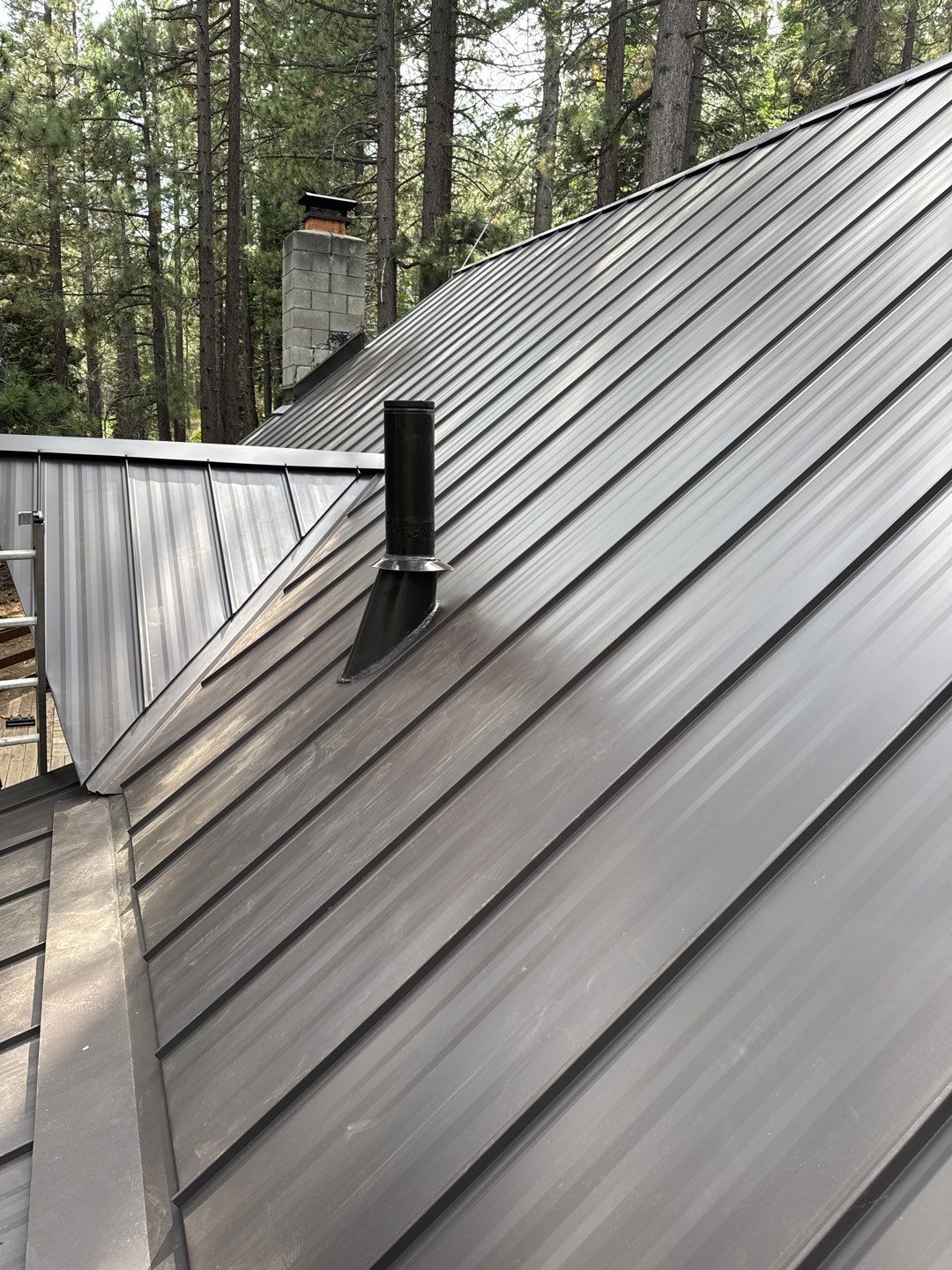
Metal roofing is often considered one of the most fire-resistant options available. It won’t ignite under ember exposure, and it sheds debris more easily than other materials.
However, performance depends heavily on installation. Metal roofs can have more seams, joints, and transitions, which need to be carefully sealed. Without proper detailing at edges, ridges, and penetrations, embers can still find their way underneath panels.
Metal systems also require proper underlayment and ventilation design to perform as intended. If you’re considering this option, working with a professional roofing contractor who understands fire-zone installation standards is critical.
Tile Roofing: Durable but Not Always Ideal for Fire Zones
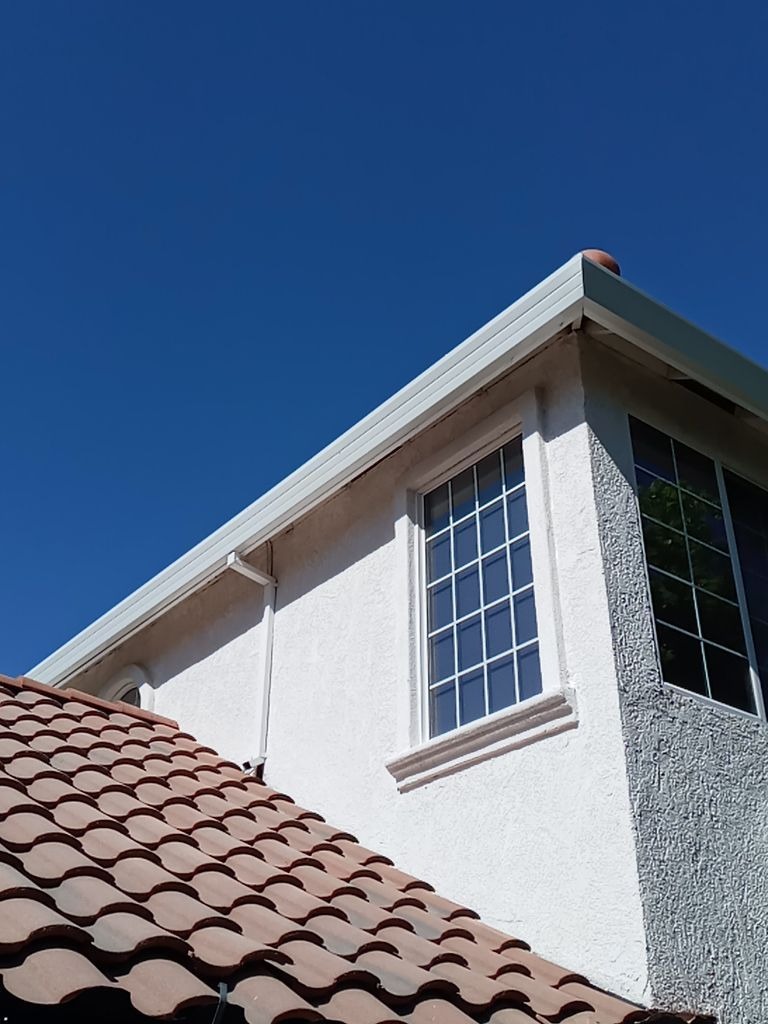
Tile roofs are naturally non-combustible and often carry a Class A rating. On paper, they seem like an excellent option for fire protection.
In practice, tile roofs can create challenges. The shape of the tiles leaves gaps underneath, which can allow embers to accumulate if they’re not properly blocked. Specialized bird stops and closures are required to prevent this, and even then, debris buildup can become an issue over time.
Tile is also heavier and more brittle, which can complicate repairs and increase structural requirements. While it can be effective, it requires more ongoing attention than many homeowners expect.
The Role of Ventilation and Roof Components
No roofing material performs well on its own without the right supporting components. Roof vents, eaves, and edges are some of the most common entry points for embers.
Upgrading to ember-resistant vents and ensuring proper sealing at all penetrations is just as important as choosing the right material. Systems like fire-rated intake and exhaust vents can significantly reduce the risk of embers entering your attic space.
If you’re reviewing options with a roofing company near you, this is an area worth asking about specifically. The difference often comes down to how thoroughly these details are addressed.
Maintenance and Debris Management Matter More Than You Think
Even the best roofing materials can become vulnerable if they’re not maintained. Leaves, pine needles, and debris can collect in valleys and gutters, creating fuel for embers to ignite.
Regular maintenance, especially before peak fire season, helps ensure your roof performs the way it’s intended. This includes clearing gutters, inspecting vulnerable areas, and addressing small issues before they turn into larger problems.
|
You can see how properly maintained systems hold up over time by reviewing our project gallery, which highlights installations designed for long-term performance.
Choosing the Right System for Your Home
The best roofing material for fire protection isn’t always the most expensive or the most marketed, it’s the one that’s installed correctly, maintained consistently, and suited to your home’s specific conditions.
For many homeowners, that means a high-quality composition system installed with attention to detail. For others, it may involve metal roofing or additional upgrades to ventilation and edge protection.
If you’re evaluating your options, you can contact our team here for a detailed assessment based on your home, not just general recommendations.
Working with experienced local roofing contractors ensures you’re not just choosing a material, you’re building a system designed to protect your home when it matters most.
Related Blog Posts
.jpg)
.png)
.jpg)
Let Our Family Help Yours™
We'll show you why our roofing is the best decision for all your roofing needs — we can even come out to your home with our mobile showroom. Tell us about your current roofing project, and we'll be in touch shortly.

Promotions
Explore current promotions to help you save on roof repairs and replacement services
Financing
Explore available financing and payment options for your roof repair or replacement.
Reviews
We're trusted by 1000s of homeowners, take a look at some of our recent homeowner reviews.
Roofing Projects
Take a look at some of our recent roofing projects throughout the various cities that we service.